25 septembre 2025
Second annual report from Dutch investment screening authority
The Dutch investment screening authority (Investment Screening Bureau, Bureau Toetsing Investeringen (BTI)) has published its second annual report covering its activities in 2024. The report highlights the increasing importance of economic security and the BTI’s growing role within the Dutch regulatory landscape. Amid rising foreign investment, geopolitical tensions and hybrid threats, the Netherlands faces a complex task of in safeguarding its strategic interests.
What is the BTI?
The BTI is the independent authority tasked with assessing foreign investments in Dutch companies for potential risks to national security. Since June 2023, these assessments have been conducted under the Security Test of Investments, Mergers and Acquisitions Act (Vifo Act).
Second annual report: greater depth, new competences
While 2023 was the first official reporting year under this regime, the 2024 report marks a new phase: it is both the first to cover a full calendar year under the Vifo Act and to document BTI’s activities related to its supervision powers.
In his introduction to the House of Representatives, Minister of Economic Affairs Dirk Beljaarts described the BTI as an essential link in the protection of our national security:
“The BTI protects our economy and business community: this is not only important, but essential for our country's resilience.”
Developments and trends in 2024
Although case-specific details remain confidential, this year’s report provides key indicators regarding oversight pursuant to the Vifo Act:
- Number of reports and recommendations: The report describes the assessment system and presents an overview of notifications and informal preliminary consultations. The BTI notes an increasing level of awareness among companies.
- Sector focus: Particular emphasis is placed on critical infrastructure, defence, semiconductors and other high-tech sectors.
- Sanctions: In 2024, the BTI conducted 25 risk-based investigations into possible violations of sanctions regimes. This is the first time that sanctions supervision has been formally included as a BTI task in the report.
A number of specific findings include:
- The screening team conducted 83 investigations during 2024, fourteen had commenced in 2023 and continued into 2024.
- There were 69 new notifications made under the investment assessment system; fourteen were either outside Vifo’s scope or withdrawn by notifying parties.
- Fourteen informal opinions were issued regarding whether transactions fell within scope. This is double the number issued in 2023.
- Regarding completed cases: unconditional approval was granted in forty-eight instances. Four led to formal review decisions, three were approved subject to conditions after extensive investigation, while one transaction was ultimately prohibited:
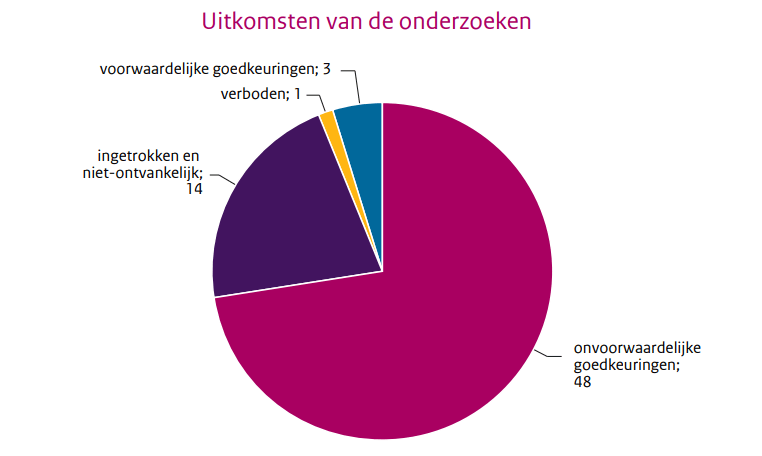
Figure 1: The figure shows the results of the completed studies in 2024. Source: BTI report, p. 8.
- A significant proportion of concluded investigations concerned investors from within the Netherlands or from the United States. The breakdown by origin is detailed graphically within the report:
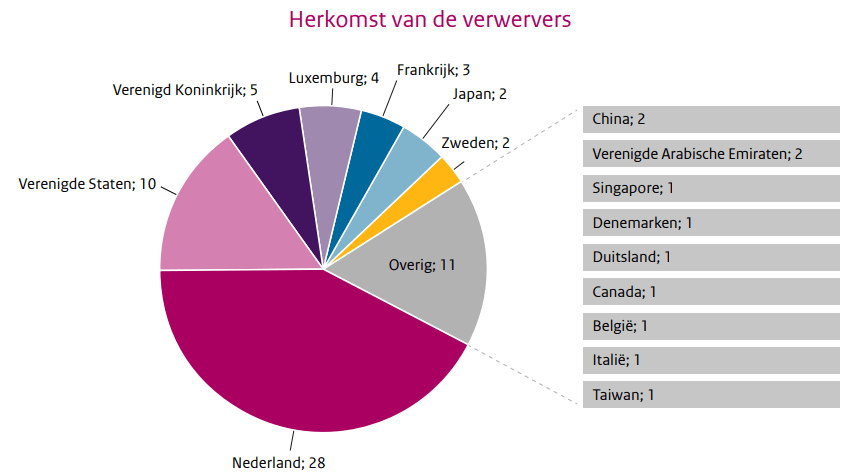
Figure 2: The figure shows the origin of the acquirers. Source: BTI report, p. 8.
-
The annual report also addresses processing times for investigations but does not distinguish between types of procedures. A missed opportunity for greater transparency compared with last year’s reporting which did provide such detail:
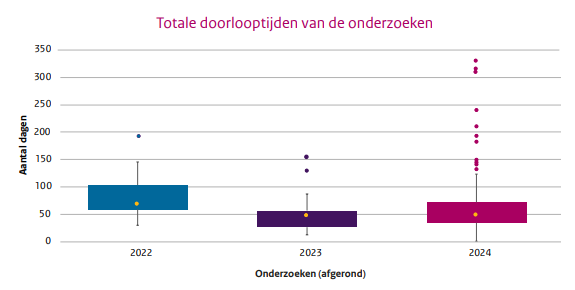
Figure 3: The figure shows the total processing times for the investigations. Source: BTI report, p. 9.
Looking ahead: (potential) expansion of the Vifo Act
Ongoing geopolitical developments continue to shape this area. In his accompanying letter to the House of Representatives, Minister Beljaarts announced:
- Evaluation: At the request of the House of Representatives (motion by Haga and Smolders), an evaluation will be conducted into whether the Vifo Act remains effective and proportionate. Findings are anticipated by late 2025.
- Expansion: By means of a General Administrative Order (AMvB), government is working towards expanding coverage to additional categories including biotechnology, artificial intelligence (AI), advanced materials, nanotechnology, sensor/navigation technology and nuclear technology for medical applications. This development could lead to a notable rise in notification volumes.
Conclusion
With its second annual report underlining its pivotal position within Dutch sanctions and investment policy frameworks, parties are encourages to prepare proactively for tightening scrutiny and increasingly complex notification requirements. Companies operating within strategic sectors must be especially vigilant regarding their obligations concerning investments or acquisitions. Informal consultation with BTI can offer greater clarity upfront and help prevent costly delays.
Economische veiligheid onder druk: BTI presenteert tweede jaarverslag
Het Bureau Toetsing Investeringen (BTI) heeft zijn tweede jaarverslag gepubliceerd, waarin het verslag doet van zijn werkzaamheden in 2024. Het rapport laat zien dat de aandacht voor economische veiligheid en de rol van het BTI in het Nederlandse toezichtlandschap in hoog tempo aan belang wint. Met een groeiend aantal buitenlandse investeringen, geopolitieke spanningen en toenemende hybride dreigingen, staat Nederland voor de complexe opgave om zijn strategische belangen beter te beschermen.
Wat is het BTI?
Het BTI is de onafhankelijke autoriteit die buitenlandse investeringen in Nederlandse bedrijven toetst op risico’s voor de nationale veiligheid. Sinds juni 2023 gebeurt dit op basis van de Wet veiligheidstoets investeringen, fusies en overnames (Wet vifo).
Tweede jaarverslag: meer verdieping, nieuwe bevoegdheden
Hoewel 2023 het eerste officiële verslagjaar was, markeert het 2024-verslag een nieuwe fase. Het is het eerste verslag dat een volledig kalenderjaar onder de Wet vifo beslaat, én het eerste waarin het BTI ook zijn werkzaamheden op het gebied van sanctietoezicht documenteert.
Minister van Economische Zaken Dirk Beljaarts noemt het BTI in zijn aanbiedingsbrief aan de Tweede Kamer een essentiële schakel in de bescherming van onze nationale veiligheid:
“Het BTI beschermt onze economie en het bedrijfsleven: dat is niet alleen belangrijk, maar essentieel voor de weerbaarheid van ons land.”
Ontwikkelingen en trends in 2024
Hoewel het BTI geen informatie verstrekt over individuele dossiers vanwege de vertrouwelijkheid, bevat het rapport wél belangrijke indicatoren en inzichten omtrent het toezicht op basis van de Wet vifo:
- Aantal meldingen en adviezen: Het rapport beschrijft de systematiek van toetsing en geeft een overzicht van meldingen en informele vooroverleggen. Het BTI merkt een toenemende mate van bewustwording bij bedrijven.
- Sectorfocus: De nadruk ligt op vitale infrastructuur, defensie, semiconductors en andere hightech sectoren.
- Sancties: In 2024 voerde het BTI 25 risicogerichte onderzoeken uit naar mogelijke overtredingen van sanctieregelingen. Dit is de eerste keer dat sanctietoezicht formeel als BTI-taak is opgenomen in het verslag.
Een aantal constateringen uit het rapport:
- Het BTI screeningsteam heeft 83 onderzoeken uitgevoerd in 2024, waarvan veertien onderzoeken al waren gestart in 2023 en doorliepen in 2024.
- In 2024 zijn er 69 nieuwe meldingen gedaan op grond van het stelsel van investeringstoetsing. Veertien daarvan bleken niet onder het toepassingsbereik van de Wet vifo te vallen of zijn door de melder ingetrokken.
- Er zijn veertien informele zienswijzen uitgebracht over de vraag of een transactie onder de reikwijdte van het stelsel van investeringstoetsing valt. Een verdubbeling ten opzichte van 2023.
- In 48 zaken kon onvoorwaardelijke goedkeuring gegeven worden. In vier zaken heeft het onderzoek geleid tot een toetsingsbesluit. Drie daarvan konden na uitvoerig onderzoeken onder voorwaarden worden goedgekeurd. In één zaak bleek dit niet mogelijk en is gebruik gemaakt van de mogelijkheid om de transactie te verbieden.
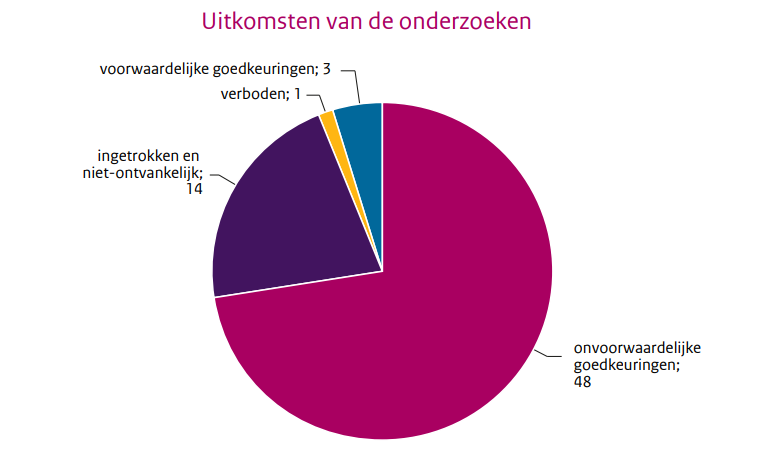
Figuur 1: In het figuur wordt weergegeven wat de uitkomsten zijn van de afgeronde onderzoeken in 2024. Bron: BTI rapport, p. 8.
- Een groot deel van de afgeronde onderzoeken had betrekking op investeerders die afkomstig waren uit Nederland, maar er kwamen ook veel investeerders uit de Verenigde Staten. De herkomst van de verwervers is als volgt onderverdeeld:
Figuur 2: In het figuur wordt weergegeven wat de herkomst van de verwervers is. Bron: BTI rapport, p. 8.
- Tot slot wordt er in het BTI rapport verslag gelegd over de doorlooptijden van de onderzoeken. Hierbij dient opgemerkt te worden dat in dit overzicht geen onderscheid wordt gemaakt naar het soort onderzoek dat wordt verricht. Een gemiste kans wat ons betreft, aangezien het derhalve niet volledig transparant is welke onderzoeken een langere doorlooptijd vereisen. Dit wijkt bovendien af van het BTI jaarrapport uit 2023, waar wel wordt ingegaan op de behandeltijd per wettelijk kader:
Figuur 3: In het figuur wordt weergegeven wat de totale doorlooptijden van de onderzoeken zijn., Bron: BTI-rapport, p. 9.
Vooruitblik: Wet vifo wordt (mogelijk) uitgebreid
Mede vanwege geopolitieke ontwikkelingen is de Wet vifo volop in beweging. In de aanbiedingsbrief kondigt de minister onder andere het volgende aan:
- Evaluatie van de Wet vifo: Op verzoek van de Kamer (motie Haga en Smolders) wordt geëvalueerd of de wet doeltreffend en proportioneel is. De uitkomsten worden eind 2025 verwacht.
- Uitbreiding met nieuwe technologieën: Via een algemene maatregel van bestuur (AMvB) werkt het kabinet aan uitbreiding van de wet met nieuwe categorieën technologie. Dit heeft tot (mogelijk) gevolg dat de reikwijdte van de Wet vifo wordt uitgebreid met: biotechnologie, kunstmatige intelligentie (AI), geavanceerde materialen, nanotechnologie, sensor- en navigatietechnologie en nucleaire technologie voor medische toepassingen. Als gevolg van deze ontwikkeling zal het aantal Wet vifo-meldingen, naar verwachting, fors stijgen.
Conclusie
Met dit tweede jaarverslag positioneert het BTI zich nadrukkelijker als spil in het Nederlandse sanctie- en investeringsbeleid. De rapportage over 2024 toont dat partijen zich tijdig moeten voorbereiden op toenemende toetsing, rapportageverplichtingen en complexe afwegingskaders. Bedrijven die actief zijn in sectoren met strategisch belang moeten alert zijn op notificatieverplichtingen bij investeringen of andere verwervingsactiviteiten, zoals overnames. Het BTI stimuleert het gebruik van informele consultaties. Deze trend biedt bedrijven vooraf enigszins meer duidelijkheid en voorkomt kostbare vertragingen. Transparantie, risicobewustzijn en een proactieve dialoog met het BTI zijn daarin cruciaal.

Related Insights

The in-house exception in 2026: the turnover of the entire group may be relevant for the activity criterion

The justified unequal treatment of economic operators from third countries